Polish heritage items at the Frontier Times Museum in Bandera, TX. No wonder, there were many Polish pioneer families in that region of Texas.
The picture on display is the Holy Mother of Częstochowa, not sure what the wooden items are. Perhaps one of them is part of a butter dish (churn)?
I left a similar set of wooden Easter eggs in Poland. I also had one with yellow and one with red background.
When I was in kindergarten, before Easter, we decorated egg shells with straps of fabrics (glued on the shell). Both the egg yolk and white had been blown out prior to the decorating process.
Long ago, in Poland, I learned the Ballroom Dance. Somehow, probably due to the instructor's preferences, we did mostly the cha-cha dance then. At that time, I did not have the faintest idea that in the future, I would dance Polish folk dances in Texas.
A few years ago, we were part of a Texas Polish-American folk dance group. We enjoyed performing the State Fair and other local events.
Plano International Festival 2014
When the ensemble was dissolved, we started learning to dance quite different European dances. We joined the Scottish traditional dance enthusiasts. Later, it was also a Contredance and traditional English dance group and old-styled English dances. Once a week, we met other dancers and simply had fun spinning to live music.
Since we have not found any folk dance ensemble in the Hill Country, these days we do the line dance. It is a light and quite an easy form of exercising and a pleasant socializing time as well. On the other hand, there is little space for self-expression/creativity in a line dance, if there is any at all. Everybody stays in the same place and does the same. Do not get me wrong, I appreciate line dancing, but in one way or another, it makes me think of the times when Poland was a socialist country. Life had so many limitations then and censorship was present everywhere. It was like a constant line dance - you were told what to do and not to do. Stepping out of the line was risky and, needless to say, often dangerous. In the 50s, people were penalized - politically and socially humiliated, shamed, and outcasted - even for looking different (having an American fashion type of hairstyle or wearing such clothes).
In the place where we practiced Scottish dances
After a six-day workweek (Saturdays were not off then), from time to time on Sundays, there was a so-called "social deed". It meant that if you were a student you had to go with your school group (being an adult - together with your workplace people) to a given place and do a given work for free. In case of kids, it was always something lighter such as raking leaves or picking up litter for example. If you were a grown-up, it could have been any manual labor up to digging ditches. Saying just "no, I don't feel like doing that on Sunday" or not coming for a "deed" was not an option at all. Absence brought unpleasant and inconvenient repercussions both at school and in one's workplace as it was seen as politically suspicious/antisocial.
School handbooks (including history books) presented the content according to the ruling (Soviet government-related) socialist party. Some high school history teachers dared to teach history and facts which were omitted/changed in the handbooks. Not often it happened, though. Why? Such teachers were arrested shortly after a daring class and that was the end of their teaching careers.
All in all, life was as it was. Of course, there were positives as well, and despite the fact that many goods were hard to come by*, we did try to enjoy the lives we had as much as people in other places in the world. However, perhaps all those limitations/circumstances of the time were a reason why line dance never got popular in Poland.
Dallas International Festival, some years ago
* Including white plain T-shirts which parents had to get for their kids
for the school sports gear - no, schools did not provide that. By the
way, I am thinking of writing more about the school system in Poland
which is different from the one in the US. Well, in case you are
interested.
People in Poland prepare Easter baskets on Easter Saturday (which is part of the Polish Easter customs). Traditionally, pieces (samples) of foods that are eaten/shared by a family at breakfast on Easter Sunday are placed in a nicely decorated basket. In our family, it was some bread, butter, salt and pepper (mixed together), white sausage, a slice of ham, a hard-boiled egg, and some yeast cake. Besides it all, there was always a decorative lamb in the center of the basket.
On Saturday morning, the baskets are taken to church to be blessed by a priest. They were placed on a special table, usually in the church hall, and blessed after a short prayer/ceremony.
When we were little, we enjoyed watching other people's basket contents - chocolate bunnies and eggs covered with colorful tinfoil happened. However, wooden eggs beat everything.
As for the eggs - after a dilemma: "shelled or unshelled hard-boiled egg" in the basket, we chose the latter option. It seemed more OK to us not to toss the "blessed" shell in the trash later.
Our Easter basket lamb - always the same
After the blessing of the baskets, we usually stepped into the church for a short prayer and to visit Christ's grave (church holiday exposition of course).
When we were old enough to walk to church (at primary school), either my sister or I took the basket to church. Some kids tended to sample the basket foods on their way back from church to their home. Well, I did not do that.
Embroidery by my grandma
When back at home, the basket content went to the fridge. It came back in the basket on the Easter Sunday breakfast table.
How the breakfast started - Mom cut the food samples into pieces and each person sitting at the table took a piece of each sample. Then we ate more - more eggs, more sausage, and more of everything else.
Soon, I will get to the "B" entries in "My Polish Alphabet". For those of you who are not familiar with the series - the Alphabet is about things, places, and people that come to my mind when I think about Poland.
Since I have reminded myself about another "A", today
A is for Amber
The
part of Poland in which I used to live is rich in amber. After a storm,
the Baltic Sea throws on its beaches small, brownish pebbles - raw
amber. If you are lucky, you can find a bigger piece as well. It is said
that raw amber contains positive energy, which is why wearing jewelry
made from raw amber may be beneficial for one's health. Pieces of raw
amber are also one of the ingredients of a tincture used by some for
medicinal purposes.
Polished
amber is a totally different matter - polishing turns a dull stone into
a pretty gem. In the Baltic area of Poland, there are many jewelers
shops and jewelry stores that offer amber items. Most often, the
polished, old, congealed resin is framed in sterling silver. Personally,
besides typical brown/yellow amber, I like the red and also the green
version of it most.
When
in Texas, I once was browsing through a catalog of an online jewelry
store based in one of the US states. They happened to have amber jewelry
made in Poland. What really surprised me, however, was the information
given in the item description. It claimed that in Poland, amber jewelry
is a traditional "good luck" gift for a bride on her wedding day. I
found it quite stunning. Why? Well, I had lived in Poland for quite a
few decades, attended weddings there, and never had I heard of such a
wedding custom. I guess the retailer created that story to increase the
sales of their products. Or it is me who is uninformed?
All in all, amber jewelry is a good but rather pricey gift for any occasion. I would certainly appreciate it!
In
Gdańsk, there is a museum of amber (which we have visited as well). In
the museum, you can see very interesting artifacts on display, including
amber crumbles with insects that drowned inside the resin ages ago.
There, you can learn about the history of amber as well.
By the way, do you know that amber is commonly called "Baltic gold/gold of the Baltic Sea"?
To go to the Website of the Museum of Amber in Gdańsk - click here.
We came back to Panna Maria after nine years, to participate in the opening ceremony of the Polish Heritage Center. On the day of the first visit there, during our honeymoon, we met very few people, maybe four. The second visit was very different as quite a crowd gathered for the opening day celebrations.
The event and the call were quite meaningful to us, and they did appear to be full of coincidences or some kind of messages from above. Well, we knew nothing about the origins of the Center besides the fact that the first Polish Silesian settlers in Texas founded Panna Maria. During the opening ceremony, we learned that it was Bishop Emeritus John Yanta who had given the idea of creating the Polish Heritage place. The thought came to him nine years ago - at the same time, when I was still in Poland, we started preparing for our life together and initiated the legal procedure of my coming here.
After the official part, there was sightseeing and looking around time,
and the artistic program presented by the Polish folk group from Dallas.
Quite accidentally, we met an old acquaintance, who was that group
member. The three of us had used to be part of the original
Polish-American Dance Ensemble which had its base in the Dallas area.
We also re-experienced the places that we visited during our first Panna Maria call - the old Pilarczyk store and visitors center, the old church, and the school that years ago, was the only museum place there.
Some things have changed within those years. New statues near the church had been founded. We also noticed many changes in the Panna Maria area, including the oil rigs that had emerged around.
I like that part of the Heritage display. However, it is a bit confusing. The nun is pointing at the word "słoń" (=elephant). The word "koń" (=horse) is next to it, to the left. Was it meant to be like that?
The Polish Heritage Center is quite an impressive and interesting place. We were glad we could be in Panna Maria on that special day. Another coincidence was that I had not looked for the information about the place/event. I simply did not know it was being built. It found me on its own, by chance. Or maybe not. Maybe we were meant to be there.
More about our first visit to Panna Maria, years ago, in the old post here.
Decades ago, when I was trying to learn German, if someone had told me I would find that knowledge/language useful in Texas, I would have laughed, thinking the person was joking. Neither did I expect to be in Texas anytime in the future, nor have the faintest idea I would sing there in German. Mysterious are the ways indeed.
My mom tried to teach me German when I was little. She told me the German words for "a doll" (die Puppe) and "doll pram" (Puppenwagen), and that was the end of my learning in those days. The two German words sound similar to the Polish words that mean totally something else - "pupa" ("bottom" in Polish) and "waga" (="scales"/"to weigh"). Then, being a few years old, I found it very
funny, and I just could not stop laughing. Needless to say, mom got very discouraged regarding her teaching efforts.
Well, I am glad much later, when I was also much older, I did learn the language to a degree
that makes me able to be part of the local choir. I do enjoy it a lot.
Last week the town celebrated the 40th Oktoberfest, German language, culture, and heritage.
Sometimes I wake up in the night with a song on my mind. Usually,
the song gets stuck to me for some time until I hear it sung by a singer. Recently, it has been the song which starts with "Jedno życie masz..."/"One life you have...". I
learned it at primary school, and I sang it then with the school choir.
Most of the lyrics I had forgotten, that was only
that one verse:
"Jedno życie masz, komu dasz ten kwiat, nie idź za rzekę zginiesz tam"/
"One life you have, who will you give that flower to, do not go across the river, you will perish there."
I remembered that the original version in English was sung by Joan Baez, so I looked for a video on youtube.
Interestingly, looking for the Polish version of "Dona, Dona", I also learned that it is
actually a traditional Jewish song with lyrics in Yiddish.
Well, there is always something new to learn. I like the red dress by the way.
The Polish lyrics were not about cows going to slaughter, though. It was more like an anti-war song.
Finally, it is, I found the words I had learned at school.
"Jedno życie masz,
komu dasz ten kwiat?
Nie idź za rzekę zginiesz
tam.
Komu dasz ten kwiat?
Życia swego kwiat?
Kiedy zza rzeki padnie
strzał?
Ludzie, ludzie nie gińcie,
Wy ocalicie świat.
Ludzie, ludzie szkoda
was.
To wojna zginąć ma.
Dona Dona Don..."
Which is
"One life you have,
Who will you give that flower to? Don't go across the river,
You will perish there.
One life you have,
Who will you give that flower to? The flower of your life?
When the shot from across the river will be fired.
People, people do not perish,
You will save the world. People, people do not perish,
The war is that one to die.
Dona Dona Don..."
I did not manage to find any live version of the song sung in Polish (with the particular lyrics mentioned above), so the song is still here Dona Dona Dona Dona...
When I worked as a school teacher, from time to time, I talked to my students about patriotism. Usually, it was around Independence Day, before all the school and state celebrations took place.
The kids studied the meaning of the term 'patriotism' given by a dictionary:
e.g. “Patriotism - the feeling of loving your country more than any others and being proud of it”*.
We also discussed whom we can call a patriot.
My mom's cousin served on a submarine during WW2. He and the entire submarine crew perished when the vessel was sunk by a torpedo. Those navy men were patriots, they died for their country.
All service men and women can certainly be called patriots. But what about us, who live at the time of peace and do not serve, can we be patriots as well?
Before answering that question, the students looked up the word 'patriot' in a dictionary.
"A person who loves their country and, if necessary, will fight for it".**
Furthermore, we also talked about Patriots and what local patriotism means (who a local patriot is).
When I was little, I was told by my parents how I should behave during official ceremonies when the national anthem is played. I learned I should stand still and solemnly till the anthem ended.
Years later, I explained the same to my students - no talking, giggling, jumping or dancing when the anthem is being played. Why? Because it means being disrespectful to our national symbol.
We are all proud when our national anthem and the flag are presented during the Olympics and other international sports tournaments. But what about when we are at home, in our country?
I used to have neighbors who lived not far from my place. On state holidays, they always hung the Polish flag on their balcony washing line. The flag was fixed to it with washing clips. I am sure the neighbors meant to express their patriotic attitude but the way they displayed the flag on their balcony was not proper or respectful according to me.
During the class the kids and I also talked about how the national flag should be treated/presented and how can we show our patriotism then.
Subsequently, the students, working in groups, brainstormed the answers to the following questions
#1. How can we express our patriotism / how can we be patriotic during the peace?
Some of their answers mentioning what patriots do:
respect our national symbols,
observe state holidays,
work at community groups/organizations,
do everyday duties/work well.
#2. What can we be proud of as citizens of our country/region of our country - where we live - regarding places, things, and people?
The kids created great slideshows with their answers to both questions and presented them to their classmates.
In my opinion 'patriotism' was a really important but also an interesting topic to talk about in class. All in all, the meaning of 'patriotism' and 'patriot' is quite universal and applies not only to the Poles and their feelings. The children seemed to enjoy the class subject and the activities as well. I hope they will still remember what they learned then when they grow up.
Credits: * Definition from: http://dictionary.cambridge.org/us/dictionary/english/patriotism ** Cambridge International Dictionary of English, Cambridge University Press, 1999
The idea for this alphabet post series comes from ' The Alphabet of My Emigration' by Dee Dorota L., member of The Polish Ladies Abroad Club, who has relocated to England.
I have also decided to join the project and write about My Texas Alphabet twice a week.
"Ń" is the letter which comes after "N" in the Polish alphabet. I am not skipping the letter though. Since the Polish alphabet is the alphabet of my native language (and my life is a Polish-Texan mix), I write my Texas Alphabet partly in Polish also. That is why posts connected with Polish letters are in Polish only.
To Your Knowledge: dzień = day, słońce = sun, Teksańczycy = Texans
Dzieńw Teksasie trwa dłużej niż w Polsce(wubiegłą sobotę również przestawiliśmy zegary na czas zimowy). Każdydzień jest dobry na to, by był Dniem Dziękczynienia i by dziękować za to co się ma. Wszystkie niematerialne, jak i materialne dary losu.
Dzisiaj słońcewstało o godzinie 6:47, a zajdzie o 17:32. W sezonie letnim, który trwa w Teksasie większą część roku, słońce świeci tu inaczej. Mocniej. Chyba wynika to z innego położenia Słońca względem Ziemi w porównaniu do tego rejonu Europy, w którym jest Polska. Mam wrażenie, że Słońce jest tu jakby niżej i latem świeci bardziej pod kątem prostym. Poziom promieniowania ultrafioletowego w najgorętszym okresie często wynosi 9 (maksymalny to 11+), zatem jest bardzo wysoki. Żar, który wówczas leje się z nieba prawie dosłownie przygniataczłowieka do chodnika. Opalanie się w Teksasie nie tylko byłoby kompletną głupotą, ale też graniczyłoby z szaleństwem narażania się na utratę zdrowia.
Słońce świeci tu przez większość dni w roku, chociaż w różnym natężeniu oczywiście. Czasami zdarza się, że niebo nad Teksasem jest zachmurzone przez kilka dni z rzędu. Czuję się wówczas jakby brakowało mi energii i przypomina mi się wtedy nasza polska zima - długa i pochmurna, kiedy to brak światła słonecznego sprawiał, że czułam się wiecznie zmęczona.
Teksańczycy, których dotychczas spotkałam (mam na myśli Amerykanów tutaj urodzonych) to ludzie życzliwi, mili i skłonni do pogawędki. Chyba nie bez powodu mottem tego stanu jest "Przyjaźń".Jako że nie należę do osób gadatliwych, na początku mojego pobytu w Teksasie, wykrzesanie z siebie czegoś więcej niż standardowe polskie 'dzień dobry', było dla mnie nie lada wyczynem. Nie rozumiałam, po co i dlaczego tak wszędzie zagadują i moje krótkie 'dzień dobry' im nie wystarczy. Teraz już się przyzwyczaiłam i też zagaduję. Jeśli widzę miły i nieobojętny wyraz twarzy rozmówcy, sama chętnie nawiązuję dialog. Nie należę do osób wylewnych, więc nie przeszkadza mi to, że tak naprawdę, najprawdopodobniej, niewiele osób interesuje 'jaki dzisiaj mam dzień'. Nie mam wcale ochoty wdawać się w takie szczegóły. W czasie takich 'rozmówek' nierzadko zdarza mi się jednak usłyszeć coś więcej poza zwyczajowym 'w porządku'. Dość często ludzie komentują także pogodę lub też ostatnie wydarzenia, w tym z życia osobistego.
Przechodnie na ulicy i (obce sobie) osoby/klienci w sklepach uśmiechają się do siebie, pozdrawiają się. Uważam to za miłe. Więc i ja się uśmiecham. Dużo częściej niż robiłam to, mieszkając w Polsce. Jest mi przyjemnie, gdy ktoś (także nieznajomy) odpowiada uśmiechem na mój uśmiech, co jest tu bardzo powszechne. Napełnia mnie to pozytywną energią.
Najbardziej jednak (w dodatni sposób) zaskoczyło mnie to, że nieznajome osoby (klienci w sklepie, sprzedawcy, czy też kelnerki) w miły sposób, głośno komentują elementy mojego stroju/wyglądu. Jak coś się komuś podoba, to po prostu ci to mówią, np.: jaki/a śliczny/a ........, bardzo podoba mi się twój ........, jakie masz słodkie/fikuśne buty, lakier na paznokciach, itp., itd. W Polsce takie zachowanie ze strony obcych graniczyłoby chyba z naruszeniem strefy osobistej. Nie wyobrażam sobie, by kelner w ten sposób się do kogoś zwrócił - z pewnością uznane byłoby to za nietakt i nieprofesjonalne zachowanie. A jednak, będąc tutaj w Teksasie, słysząc takie uwagi, podnosi mi się samopoczucie i chyba dodatnio też wpływa to na moją samoocenę. Wiem, że jeśli jest odwrotnie i coś się komuś w twoim wyglądzie nie podoba - nie usłyszysz o tym. Przynajmniej nie od obcych i nie w tak bezpośredni sposób.
The idea for this alphabet post series comes from ' The Alphabet of My Emigration' by Dee Dorota L., member of The Polish Ladies Abroad Club, who has relocated to England.
I have also decided to join the project and write about My Texas Alphabet twice a week.
"Ł" is the letter which comes after "L" in the Polish alphabet. I am not skipping the letter though. Since the Polish alphabet is the alphabet of my native language (and my life is a Polish-Texan mix), I write my Texas Alphabet partly in Polish also. That is why posts connected with Polish letters are in Polish only.
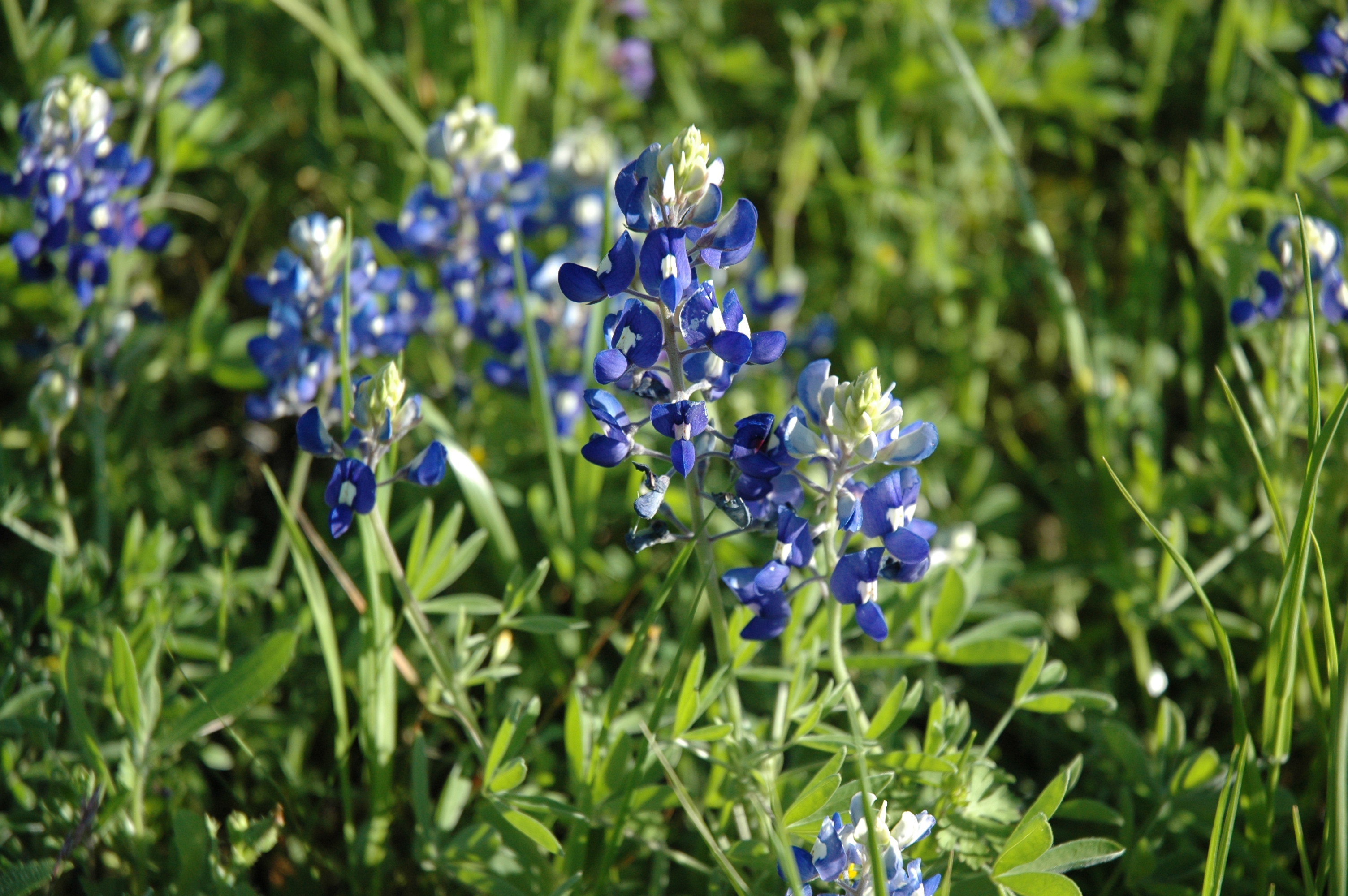
As you can guess, in this post I write about the bluebonnet and other Texas symbols.
Każdy stan USA ma swoje symbole, którymi sa przedstawiciele świata roślin i zwierząt, reprezentujące gatunki charakterystyczne dla danego rejonu tego kraju.
Łubin teksaski jest jednym z symboli roślinnych Teksasu (od 1901 r.). Jest to trochę inna odmiana łubinu od tej, która jest najbardziej popularna w Polsce. Łubin teksaski jest znacznie niższy (wysokosć do około 60cm) i ma głównie kolor niebieski/ niebiesko biały (czasem z bordowymi lub różowymi akcentami).
Należy do tzw. 'samosiejek', kwitnie wiosną, w okresie od marca do maja. Wtedy też niebieskie dywany dekorują Teksas jak stan długi i szeroki.
Pozostałe symbole Teksasu
Świat roślin
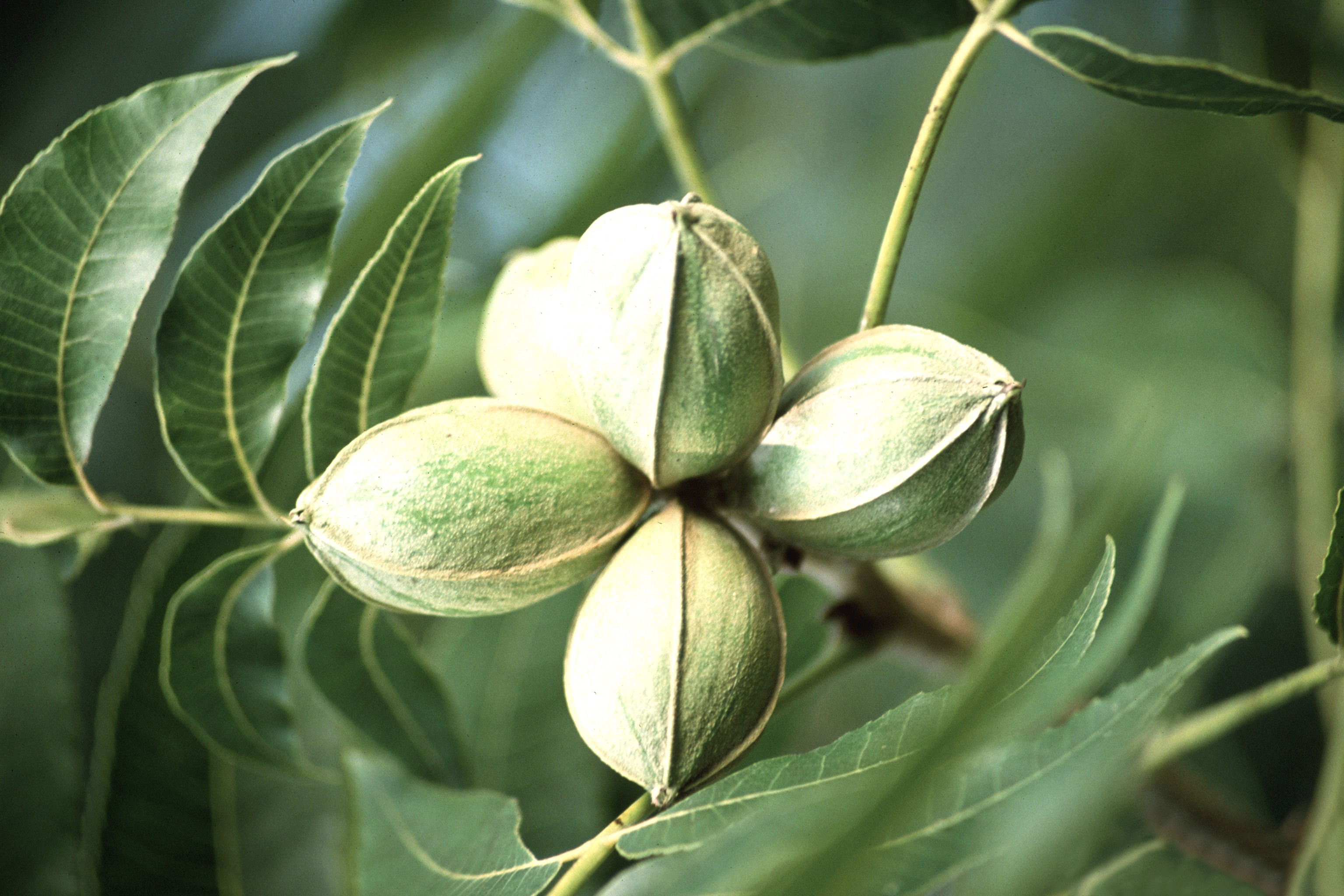
Drzewo: pekan/ orzesznik jadalny - ma bardzo smaczne orzechy, które są trochę słodsze od orzechów włoskich i w porównaniu do tych ostatnich, mają łagodniejszy smak - nie szczypią w język. Orzechy pekanowca są bogatym źródłem witaminy E i przeciwutleniaczy. Stanowią główny składnik wielu tradycyjnych południowo-amerykańskich deserów.
Pekany to także moje ulubione orzechy. Jedną z moich specjalności jest placek pekanowy - tradycyjny deser przygotowywany na Dzień Dziękczynienia.
Świat zwierząt:
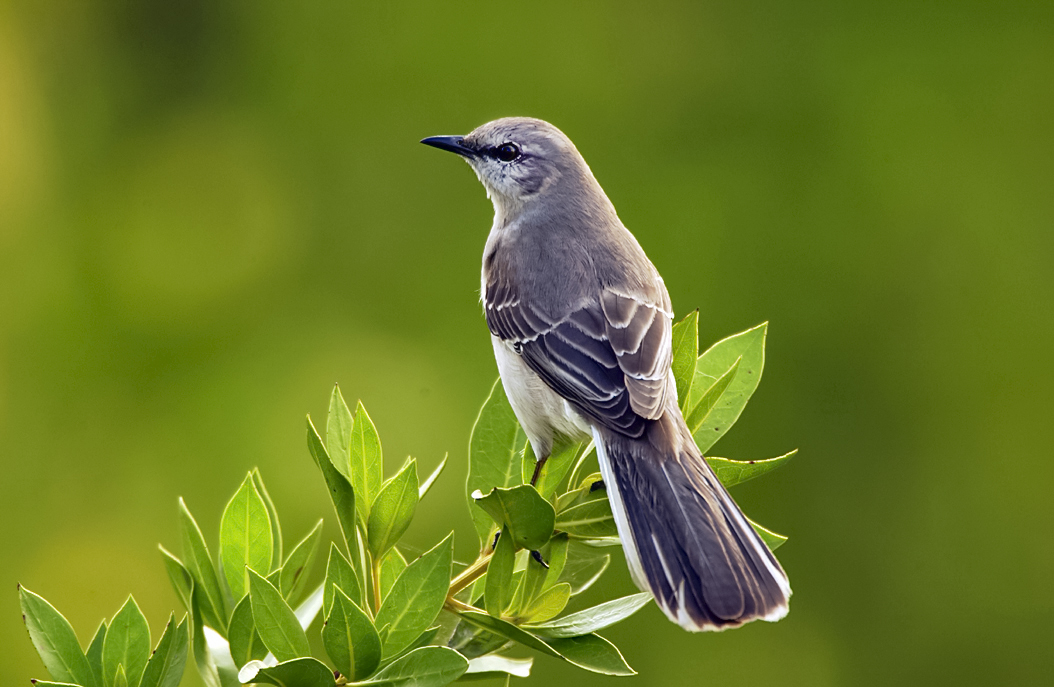
Ptak: przedrzeźniacz
Przyjęty za symbol stanowy w roku 1927. Ptaki te pięknie śpiewają, potrafią naśladować głosy innych zwierząt, w tym nawet szczekanie psa. W swoim repertuarze mają od 25 do 30 różnych dźwięków/ piosenek. W obronie gniazda i pskląt, przedrzeźniacz zaciekle atakuje także psy i koty.
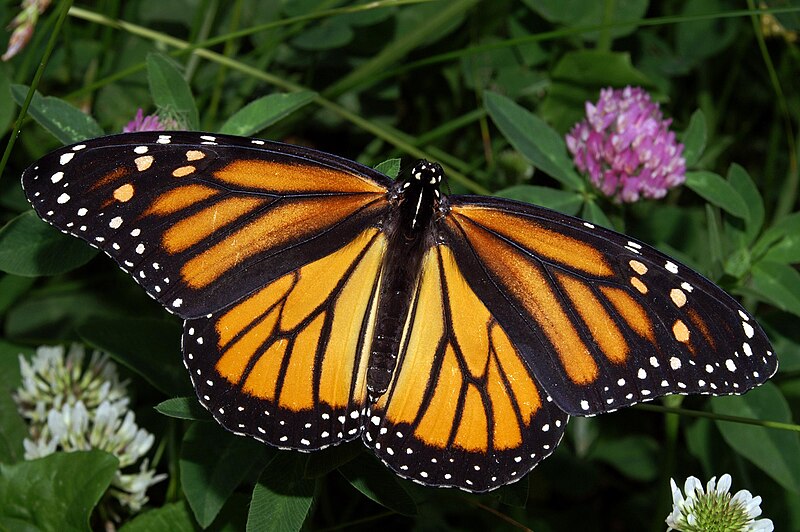
Owad: motyl monarch / danaid wędrowny
Przyjęty za symbol stanowy w roku 1995. Od innych gatunków motyli różni się tym, że nie hibernuje w okresie zimowym. Zamiast tego, na przełomie lata i jesieni, migruje do Meksyku.
Ssaki: Pancernik długoogonowy
Symbol stanowy od 1995. Daleki kuzyn leniwca i mrówkojada. Ta odmiana pancernika występuje tylko w Ameryce Północnej. Pancerników lepiej nie dotykać - mogą być nosicielami niebezpiecznych chorób.
Longhorn: Symbol Teksasu od 1995. Więcej o tym napisalam tutaj.
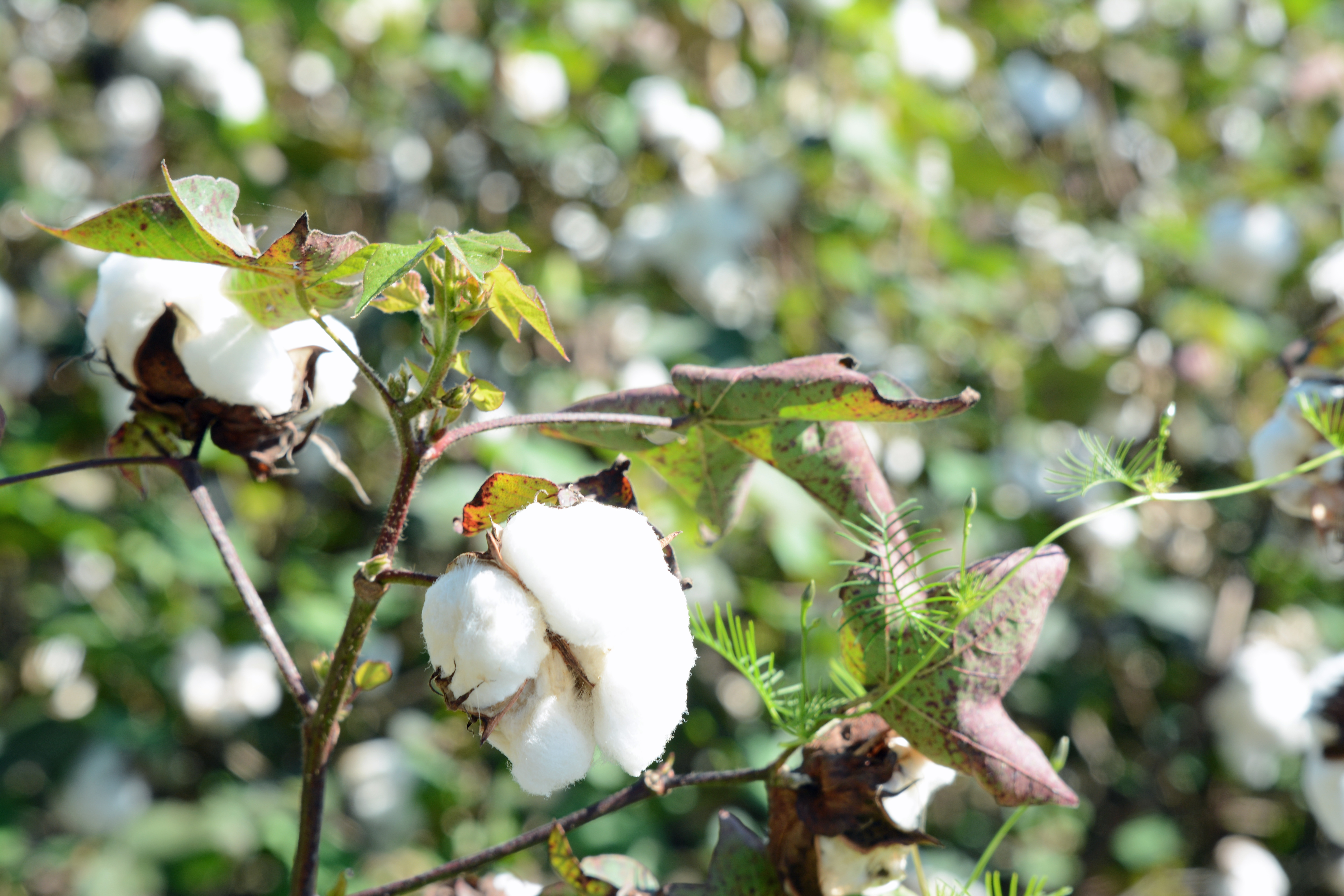
Włókno i tkanina: bawełna
Pionierami hodowli bawełny w Teksasie byli hiszpańscy misjonarze. Jeden z oficjalnych symboli Teksasu od roku 1997.
Więcej symboli stanu Teksas znajdziesz na stronie State Symbols USA.
Zdjęcia:
Bluebonnets: stickywikit, CC BY 2.0 <https://creativecommons.org/licenses/by/2.0>, via Wikimedia Commons Niedojrzałe orzechy pekana: autor Jerry A. Payne, USDA Agricultural Research Service [CC BY 3.0 us (http://creativecommons.org/licenses/by/3.0/us/deed.en)], via Wikimedia Commons. Przedrzeźniacz północny: Ryan Hagerty [Public domain], via Wikimedia Commons Motyl monarch: Kenneth Dwain Harrelson, CC BY-SA 3.0 Pancernik: By http://www.birdphotos.com (Own work) [CC BY 3.0 (http://creativecommons.org/licenses/by/3.0)], via Wikimedia Commons. Longhorn: autorzy Clinton & Charles Robertson from Del Rio, Texas & San Marcos, TX, USA (Texas Longhorn Steer) [CC BY 2.0 (http://creativecommons.org/licenses/by/2.0)], via Wikimedia Commons. Bawełna: By Bubba73 (Jud McCranie) (Own work) [CC BY-SA 4.0 (http://creativecommons.org/licenses/by-sa/4.0)], via Wikimedia Commons .
The idea for this alphabet post series comes from ' The Alphabet of My Emigration' by Dee Dorota L., member of The Polish Ladies Abroad Club, who has relocated to England.
I have also decided to join the project and write about My Texas Alphabet twice a week.
"Ć" is the letter which comes after "C" in the Polish alphabet. I am not skipping the letter though. Since the Polish alphabet is the alphabet of my native language (and my life is a Polish-Texan mix), I am going to write my Texas Alphabet partly in Polish also. That is why posts connected with Polish letters will be in Polish only.
To your knowledge: 'ćwikła' is a Polish side dish made of cooked and grated beets, seasoned with (among others) horseradish. Pickled beetroots are another popular side in Poland. Beetroot soup (barszcz) is part of traditional Christmas Eve dinner in many Polish homes.
Po namyśle zdecydowałam, że nie będę omijać polskich liter w moim Teksaskim Alfabecie. Język polski jest jak najbardziej moim językiem i nic tego nie zmieni. A skoro moje życie jest mieszanką polsko-teksańską, posty związane z polskimi literami, będę pisać po polsku.
Ćwikła jadłam ostatni raz kilka lat temu, jeszcze w Polsce. Buraki nie należą niestety do popularnych elementów Kuchni Południa USA. Dlatego też bardzo ucieszyłam (i zdziwiłam) się na widok marynowanych buraków, serwowanych w bufecie sałatkowym jednej z lokalnych restauracji, którą odwiedziliśmy niedawno. Zarówno owe buraki (na zdjęciu), jak i sałatki były 'wyrobu domowego'. Rzadko mam okazję jeść tutaj marynowane buraki - te były przepyszne, delikatnie kwaskowe, trochę słodkawe - super! Cieszyłam się nimi, chociaż nie bardzo pasowały do smażonej ryby (restauracja serwuje dania z ryb).
Tak właściwie tytułowe ćwikła są symbolem tego wszystkiego, co wiąże się z moimi ulubionymi potrawami i smakami polskiej kuchni, i których czasami brakuje mi w Teksasie. Na co dzień mamy dość urozmaicone menu - lubimy kuchnie różnych narodów, w tym tradycyjne potrawy Południa. Jednak, nawet jedząc najpyszniejsze potrawy różnych nacji i kuchni świata, i tak po jakimś czasie przychodzi mi ochota na coś typowo polskiego. Niestety w naszym rejonie nie ma polskich restauracji, ani polskich sklepów. Jest jeden, mały, z dość ograniczoną ofertą produktów spożywczych. W zupełnie innej miejscowosci, za daleko by robić w nim zakupy. Poza tym ceny są w nim raczej wysokie.
To prawda (co napisała Sylwia w swoim poście na C), że polski chleb smakuje najlepiej. Dlatego też, na początku mojego pobytu w USA, często piekłam różnego rodzaju chleby i bułki, w tym do hamburgerów. Teraz już wiem, który chleb dostępny w sklepie warto kupić. Najczęściej chleb taki ma w nazwie 'europejski' przymiotnik: włoski, francuski ale także np. żydowski. Są też 'English muffins', które nie mają z mufinkami nic wspólnego - wyglądają jak przecięte na pół, spłaszczone bułki i 'Kaiser buns' - bułki kajzerki. Część z nich smakuje najlepiej po 'podgrzaniu' w piekarniku. Pieczywo to, oprócz tego, że wyglądem i smakiem przypomina polskie wyroby, ma jeszcze jedną wspólną cechę. Nie jest słodkie - w przeciwieństwie do większości gatunków pieczywa amerykańskiego.
Pierogów robić nie umiem więc to sobie odpuszczam - próbowałam kilka razy, z miernym rezultatem. Poza tym, wykonanie ich jest dość czasochłonne. Dlatego też, gdy nachodzi mnie ochota na 'polskie smaki', robię sobie np. sałatkę warzywną lub coś co ją przypomina. Ostatnio zatęskniłam za kisielami i zupami owocowymi. Przyrządzam je z mrożonych owoców - łatwe i szybkie do zrobienia, a jaka uciecha z jedzenia! Poza tym, już wiem gdzie serwują dobre buraki marynowane. Za jakiś czas znów się tam wybierzemy. :)
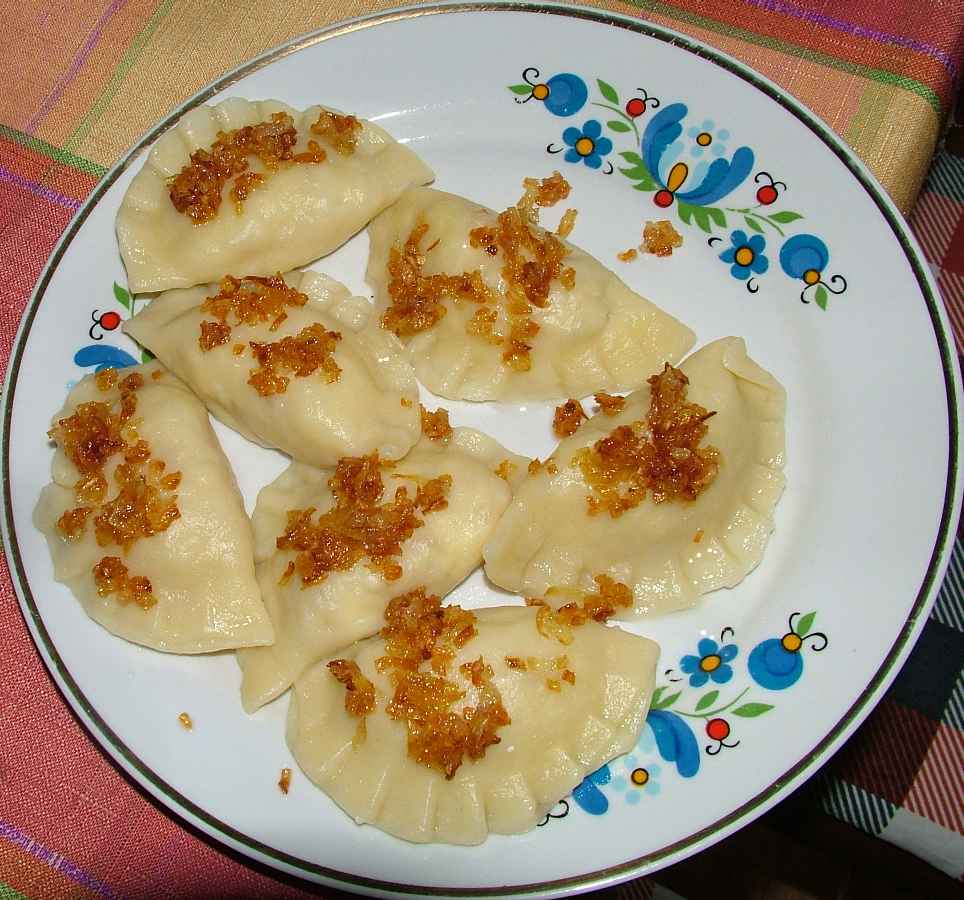
Polish culture and cuisine are so reach and diverse - I have no idea why Poland, in the US, is mainly associated with two things: pierogi (especially the ones stuffed with potatoes and onion) and polka.
First of all, having lived in Poland so long, I never ate that kind of pierogi at my family home. Never had them at my friends' in Poland either. I first ate them when I came to Texas, and I did not like them. Maybe the potato and onion pierogi were most popular among the Polish immigrants in the States?
Pierogi ruskie - picture from wikipedia.org
My favorite kind of pierogi are blueberry ones, served with cream and sugar. I also love so-called 'lazy pierogi' made by my mum. Sprinkled with cinnamon and sugar are heavenly delicious. They are quite different to the potato ones - they look different and taste totally different. Besides those, I also quite like plum knedle (another kind of ball shaped pierogi). Neither of them seem to be very popular in America.
As for the polka. I have happened to hear (when I said I am from Poland): 'Ah Poland? Polka!'
Meaning the dance. OK. The word 'Polka' means 'Polish lady' in Polish. So yes, I am Polka. Maybe it is the beginning of the two words which causes the confusion - the three first letters which are the same in 'Poland' and 'polka'. Maybe that is why the latter one is commonly regarded here as Polish national dance. Well, it is not!
Poland has five national dances but polka is not one of them. Of course, polkas are played and danced by Polish folk bands/groups too - I remember one of them called 'Polka Tramblanka'. But polka is Czech national dance. Not Polish.
I do not know whether there is any point in explaining it to people, especially if some of them simply 'know better' or believe what typically Polish is, and, according to some, I am the one who has been misinformed.
Polonez - one of Polish national dances
Actually, during my stay in the States, I learned new things on what typically Polish means. Things which I did not know when I lived in Poland.
1. An American man (of some Polish roots) shared the info on the (typically Polish) way potato and onion pierogi (again :-) ) are served: according to him - with cream, oil and fried onion.
Let me explain:
Fruit pierogi are usually served (in Poland) with cream and/or sugar.
Other kinds of pierogi are served with some hot oil, pieces of fried onion and, sometimes, with cracklings.
The two ways are never mixed.
I have no problem with accepting and understanding that somebody may enjoy such a cream and oil mixture but my family, myself and most people I know in Poland, would find it gross. Maybe we are not typical Poles?
2. While I was looking through a catalogue of a popular American online store, I was pleased to find out that they also had earrings made in Poland on offer. The sterling silver earrings decorated with amber were quite nice. What really surprised me, was the information included in the item description. Reading it, I learned that products made of amber are a popular wedding gift given to a bride (in Poland of course) for good luck. Well, I come from that amber region, have attended quite a few weddings there and never had I heard about such an amber wedding good luck token, neither the brides I used to know. Too bad for us?
Jewellery and amber shop in Gdansk, Poland
3. Browsing another catalogue (a different online store), I have come across some (astonishing) info on another interesting 'Polish' thing. According to that, pictures depicting Virgin Mary standing at a washing line are popular in Poland. Where do they take such stories from? Luckily, in the later issues of catalogues by that company I did not see any other 'revelations' of that kind.
Not only non-Poles happen to be mistaken of course. One day, at a certain function, my husband and myself were wearing traditional folk costumes of the region I am from. Polish ladies of local Polonia community claimed, very strictly, that the outfits were not Polish. I found it sad - not only what they said but also the way they stated it, and how limited their knowledge was. And it was said to me by the Polish. What made it even sadder - a man of Oriental origin who saw us and our folk dress later (it was somewhere else), said: 'Oh, you represent Poland!' No, we were neither holding a sign with the name of the country nor had a Polish flag. He just knew it.
Well, stereotypes are most often based on lack of knowledge - on a certain topic. We tend to be very quick to make generalizations such as: 'all men are ......', 'all women are......', 'all (a nation) are/have ........'.
Personally, I try to avoid it, I am aware that generalization is an error of logical thinking. Besides, following stereotypes we can simply misjudge someone or misinterpret a life situation. Maybe it is part of human nature to believe stereotypes.
All in all, it is our decision whether we choose limitation or stay open to learning new things.
During our first Texas trip, we visited Panna Maria, situated about fifty-five miles south of San Antonio. Actually, it was a surprise gift from my husband - he took me there to show me the oldest Polish settlement in Texas, established in 1854 by Father Leopold Moczygemba and about one hundred families from Polish Silesia.
Panna Maria means Virgin Mary in Polish.
Panna Maria - Virgin Mary
Nowadays, the settlement is quite a tiny place with the Panna Maria Historical Society & Visitors' Center - housed in the old Pilarczyk Store (built in 1875).
An elderly lady, a descendant of the first settlers welcomed us there. To my delight, she spoke Polish - though actually, it was a kind of mixture of a Silesian dialect and American English. That was why we had some difficulties in understanding each other, but we managed to communicate anyway. The Visitors' Center is also a souvenir store.
The lady showed us to St. Joseph School Museum which is also the oldest Polish school building in the States. Inside the museum, we could see many items which belonged to the first Polish settlers, brought by them from 19th century Poland.
We also visited Panna Maria Immaculate Conception Church, built in 1855.
The church, struck and destroyed by the lightning in 1875, was restored (works finished in 1877) and enlarged later (1937).
Panna Maria is listed on the US National Register of Historic Places as the oldest permanent Polish settlement in America. I am so glad my husband took me there!


.png)


.jpg)